庭の随筆 · Garden essays
The Koi and the Dragon Gate.
Watch a koi long enough and you understand why the Japanese never treated it as merely a fish.
A koi swims into the current. Not around it, not away from it — into it. And there is an old legend that explains why that matters. It says that a koi who fights its way up a great river and leaps the waterfall at the Dragon Gate — the tōryūmon — is transformed at the top into a dragon. To this day, when a young person in Japan passes a hard examination or clears a great obstacle, people say they have “passed through the Dragon Gate.”
The teaching underneath is not gentle, and that is exactly why it lasts: the same hard water that could sweep you away is the thing that makes you into something greater. Adversity is not the interruption of the path. In this story, adversity is the path.
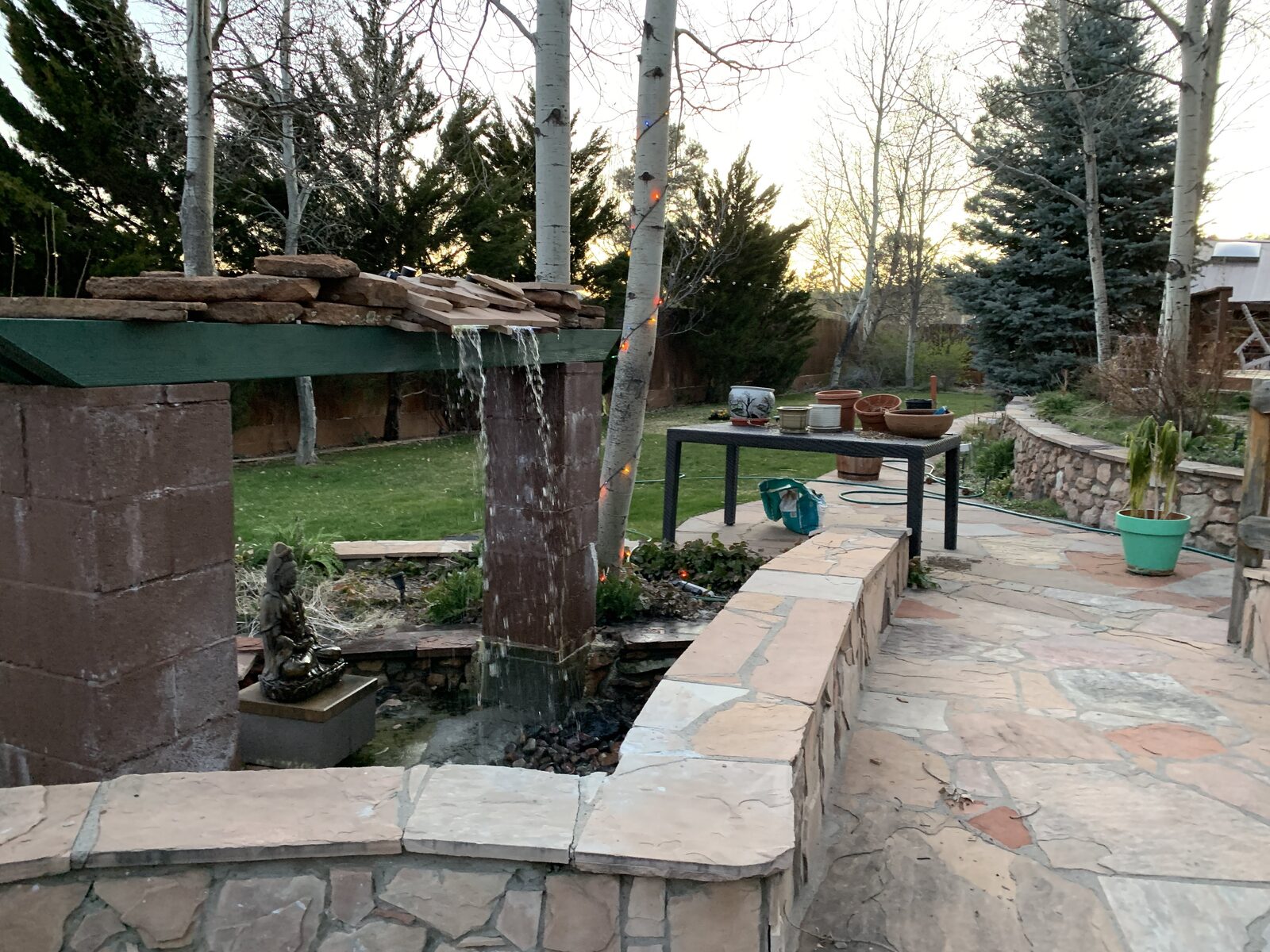
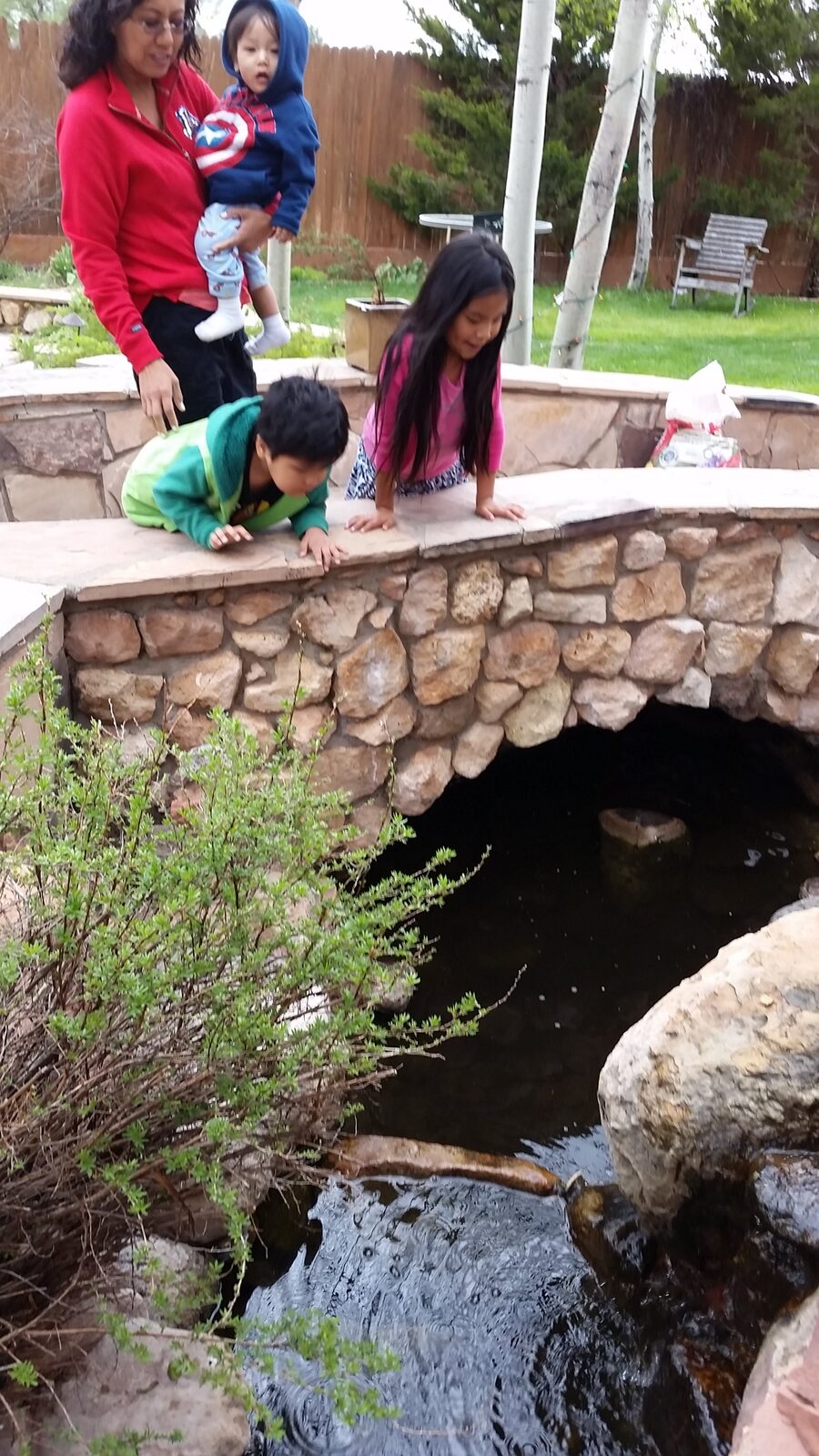
I dug a koi pond years ago, at the foot of a waterfall I built by hand, and I did not yet know how much my family would come to need that lesson. Every life has its uncertain seasons — currents that pull harder than you expected. In those seasons the koi in my pond were not decoration. They were a daily teaching, swimming their patient circles, nosing up toward the falling water, reminding me that steadiness is its own kind of strength. You do not have to leap the whole waterfall today. You only have to keep facing the current.
There is a second layer to the koi that I love even more, because it points forward instead of back.
Every spring in Japan, for Children's Day, families raise koinobori — carp-shaped streamers — on poles above the house, one for each child, so the cloth carp fill and swim in the wind. They are flown as a wish: may this child have the courage of the koi. May they climb their own waterfall and arrive as something greater. The koi is not only a symbol of enduring hardship. It is a symbol of what we hope for the ones who come after us.
That is why the koi belongs in a garden built for the future.
We Diné have our own version of this knowledge — that a person is shaped, not broken, by what they walk through, and that the point of enduring is never just yourself; it is the generations standing behind you and ahead of you. When I watch the koi climb, I see both my grandmothers and my grandchildren in the same water.
This is the thread running through everything I write. The old cultures did not promise that the current would be gentle. They gave us something better: a way to face it and be remade by it rather than ruined. That is what the Ancestral Watch books are really about — not fantasy, but working tools for hard seasons.
If your own water is running high right now, start small. Three quiet minutes of breath. One steady practice you can face the current with tomorrow. The koi does not clear the Dragon Gate in a single heroic leap. It gets there by refusing, one hour at a time, to turn around.
庭の随筆 · Garden essays
More from the garden that was.
New essays and the free tools — one email, no noise. Arigatō.